Home / Summer Heat and Kitchen Counters in Riverside Homes
Summer Heat and Kitchen Counters in Riverside Homes
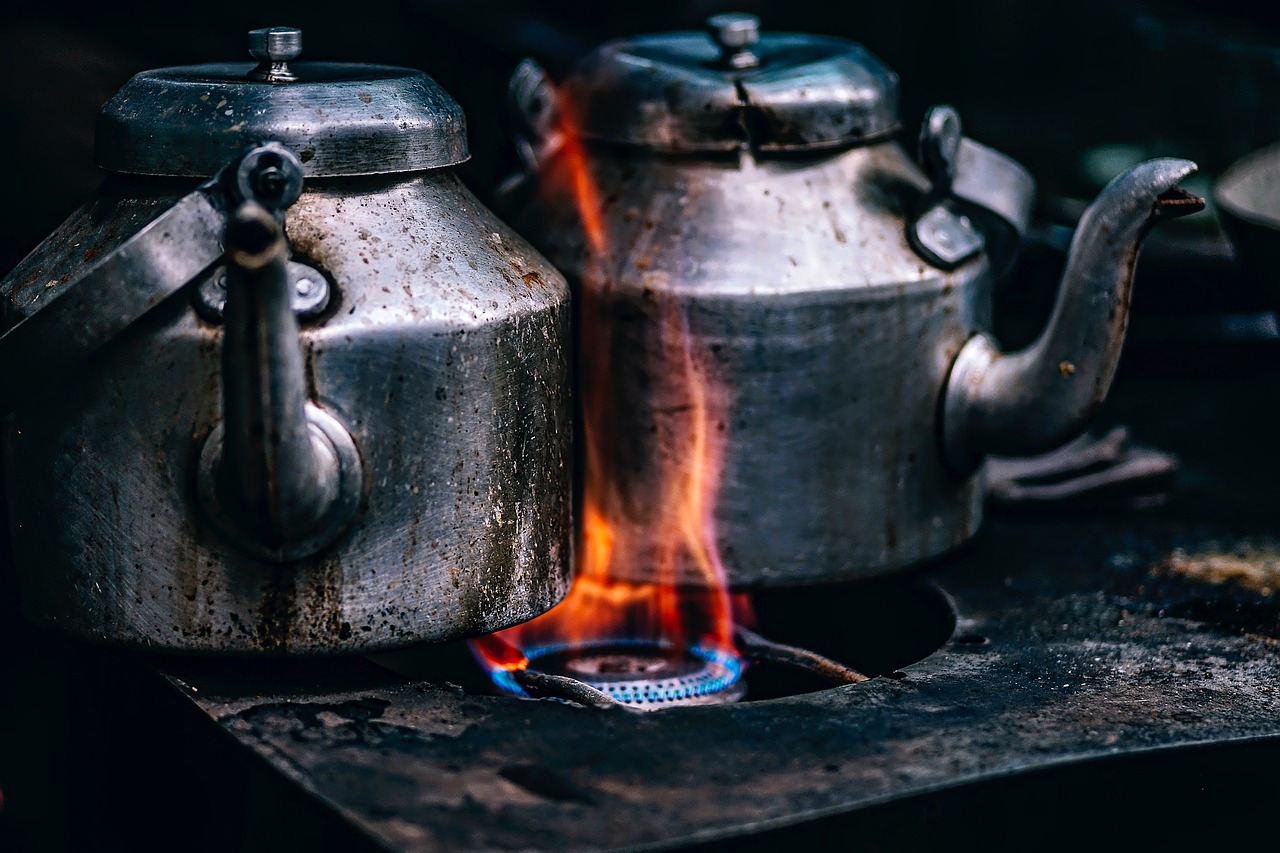
A Riverside kitchen in July is a different room from the same kitchen in February. When the afternoon passes 100 degrees, the counters, the cabinet faces, the faucet and even the air above the stove all start the day warmer than they would almost anywhere on the coast, and every hot pan lands on a surface that is already working against the weather. This guide walks through what the heat actually does inside a Riverside kitchen, from Orangecrest tract homes to older Wood Streets bungalows, and which habits make the difference between a counter that stays calm all summer and one that picks up marks.
The kitchen starts the day warm
In the Inland Empire the heat does not arrive with the cooking. It is already in the walls by mid-afternoon. Stucco, roof tiles and attic space soak up sun for hours, and a kitchen on the sunny side of the house can feel a few degrees warmer than the hallway even with the air conditioner running. A counter along an exterior wall often sits close to that warm surface, so it carries more background heat than one in an interior corner.
That matters because most of the trouble people have with heat on a counter comes from contrast, not from raw temperature. A surface at ordinary room warmth meeting a very hot pot is a bigger jump than the same pot meeting a surface that has already warmed through. In a Riverside summer the background is closer to the pot, which sounds helpful, but it also means the surface spends more hours expanding and relaxing as the cooling system cycles on and off through the day.
Expansion, contraction and the daily cycle
Every solid material grows slightly when it warms and shrinks slightly when it cools. Stone, engineered slabs, laminate, wood and metal all do it, at different rates. In a mild climate the swing across a day is small. In Riverside County, where a house can go from a cool morning to a baking late afternoon and back to an air-conditioned evening, the swing is larger, and it repeats for months.
A well-made installation allows for this. Counter sections sit on cabinets rather than being locked rigidly in place, joints between pieces are filled with a flexible material, and the gap against the wall is left to move. The point worth knowing as a homeowner is that tiny seasonal changes in a seam or in a caulk line are normal. A hairline that opens slightly in the hottest weeks and closes again in autumn is behaving the way materials behave. A crack that keeps growing, or a seam that lifts, is a different story and deserves a look.
Hot pans, and what the surface thinks of them
Cookware coming off a burner or out of the oven is the sharpest heat event a counter ever sees. The surface under the pan heats almost instantly while the material a short distance away stays cool, and that uneven stress is what people mean by thermal shock. Some materials shrug it off. Others can scorch, discolor, soften at the surface or, in rare cases, crack.
Natural stone is generally comfortable with heat, though a very hot pan set down hard on a thin or already flawed area can still cause trouble. Resin-bound and engineered surfaces are the ones that deserve more caution, because the binder that holds them together can mark at temperatures a stone would ignore. Laminate can blister or lift. Wood can scorch. The honest advice is to treat every surface as if it has a limit, ask the installer what the specific limit is for the material in the house, and keep a trivet within reach of the stove so that the habit never depends on remembering.
Summer adds a small twist. A pan taken off the heat in a cool winter kitchen cools quickly. The same pan in an already hot room holds its heat longer, so a pot that would be safe to move after a minute in January may still be dangerous to the counter in August. Giving the cookware extra time on the stovetop, or on a rack, is easy insurance.
Sun on the counter itself
In the hillside homes of Arlington Heights and Canyon Crest, large kitchen windows are part of the appeal, and they bring direct light onto the counter for a few hours every day. A surface in direct sun can feel warm to the touch long after the pan has gone, and the warmth is a real effect: the same material that feels cool in the shade can be noticeably hot in a sunbeam.
That warmth is not usually harmful by itself, but it combines with other things. A warm counter dries spills faster, which leaves rings and film behind. It also makes sticky residue bake onto the surface. If a counter takes a strip of afternoon sun, wiping up sugar, juice and oil promptly gives much better results than in a shaded kitchen.
Cooking less on the hottest days
Plenty of Riverside households adjust their cooking in summer without thinking about it. The slow oven roast becomes a grill dinner, the stovetop boil becomes a cold salad, and the toaster oven or air fryer gets more use because it does not heat the whole room. Those changes protect the kitchen as well as the people in it. Less oven time means less heat radiating from the range into the nearby counters, and a lighter load on the cooling system.
Small appliances shift the picture rather than remove it. A pressure cooker, kettle or air fryer sitting on the counter delivers concentrated heat from underneath and from the vents. Their feet can leave warm patches, and steam released near the wall can affect paint and the lower edge of upper cabinets. A pad under the appliance and a few inches of open space behind it are simple, sensible habits.
Rentals, older homes and borrowed kitchens
Near UC Riverside, many kitchens belong to rental properties where the counter material was chosen for durability and low cost rather than for refined heat tolerance. Laminate is common there, and it is the surface most likely to show a pale scorch ring or a raised edge after a pan is set down carelessly. Tenants and landlords both benefit from the same inexpensive rule: nothing hot goes straight onto the counter, ever, and a cutting board or pad lives permanently beside the stove.
Older homes in the Mission Inn district and Casa Blanca often have original or early renovation counters that have already lived through many summers. These surfaces may have fine cracking in their finish, worn edges or small repairs. They are not necessarily failing, but they have less margin, so extra care around heat is worth the small effort.
Cabinets and edges feel it too
The counter is rarely the only thing affected. The cabinet face directly under it takes warmth from above and, if a dishwasher or oven sits nearby, from the side. Glue lines, edge banding and finishes on cabinet doors can soften or loosen under repeated heat. The strip of cabinet beside the range is the usual first place to show it, and so is the small gap between the counter edge and the door below. Keeping the area clean and dry helps, as does making sure an oven door vent does not blow warm air directly at the cabinet front.
What good summer habits look like
- Keep a trivet or folded cloth on the counter near the stove so hot cookware has a place to land.
- Let the pan cool on the burner or a rack for a few extra minutes in the hottest weeks.
- Wipe sticky spills from sun-warmed areas straight away, before they bake on.
- Leave breathing space behind kettles, air fryers and slow cookers.
- Pay attention to seams and caulk lines at the start and the end of summer, and photograph anything that seems to be changing.
- Run the exhaust fan while cooking so heat and steam leave the room instead of settling on the cabinets.
Thinking about the next kitchen
For a household planning new counters in Riverside, the climate is a fair factor to weigh alongside looks and budget. It does not dictate a single answer, but it does shift the questions worth asking: how well does the material tolerate hot cookware, how does it look in a bright sunny room, and how forgiving is it of the film that hard local water leaves behind. A good fabricator will be able to talk through those points for the specific material rather than offering a general promise.
The same is true of someone keeping the counters they already have. A Riverside summer is long, and the habits that suit it are small and repeatable. A trivet within reach, a quick wipe, a little space around appliances and a glance at the seams twice a year will carry most kitchens through decades of hot weather without drama.